The Allure of Casino Design
The design of a casino is meticulously crafted to create an immersive experience that keeps players engaged. From the moment you step inside, the layout is strategically organized to maximize exposure to games and the potential for winning. Bright lights, vibrant colors, and a cacophony of sounds create an environment that stimulates excitement and encourages patrons to play longer. Indeed, if you wish to learn more about how similar principles apply in other fields, you can click here for helpful insights.
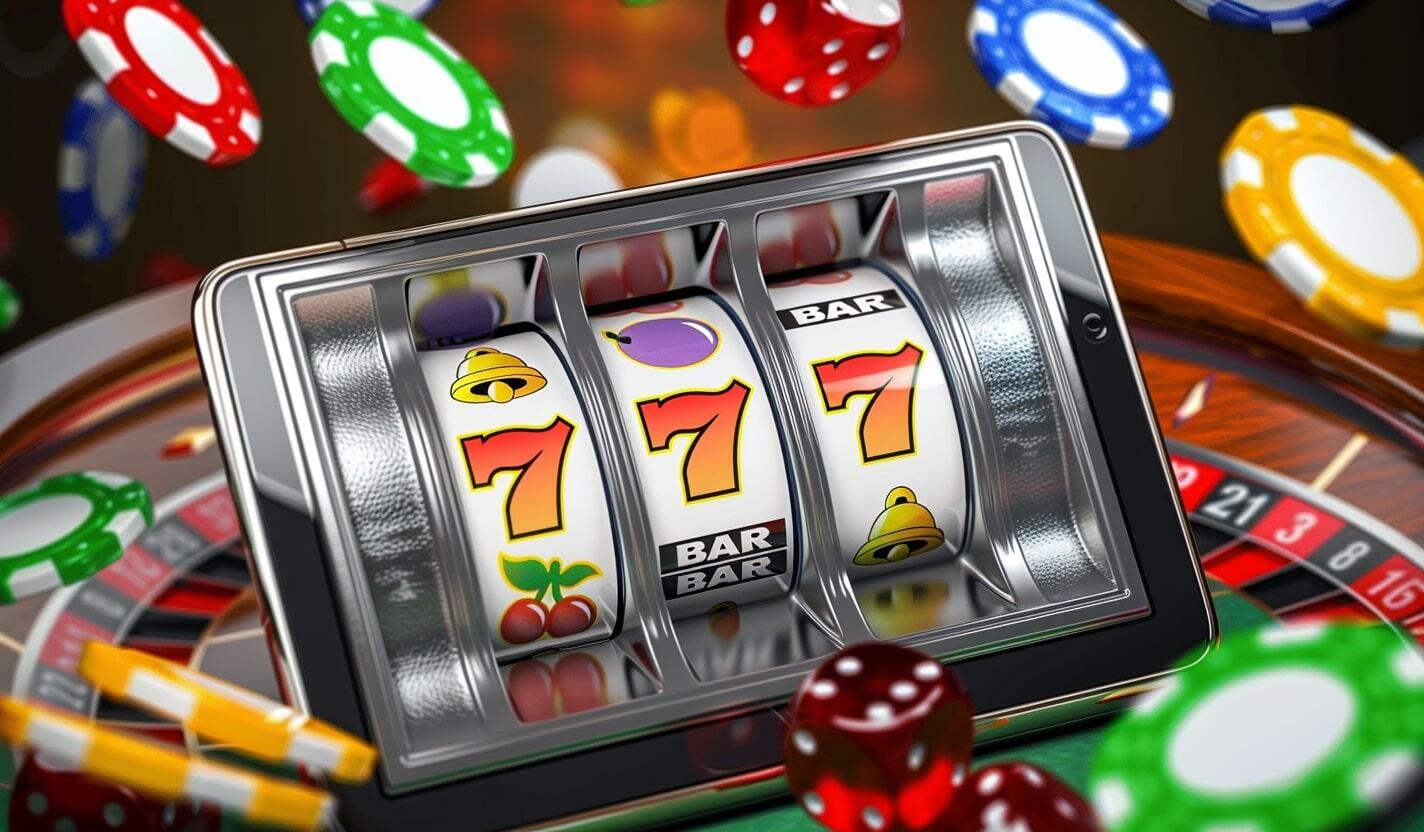
Moreover, the absence of clocks and windows plays a significant role in disorienting players regarding time. By removing these cues, casinos create a sense of timelessness that can lead to extended gaming sessions. This environment plays on the psychological principle of loss aversion, where players are more likely to continue gambling to avoid the feeling of loss associated with leaving empty-handed.
The Power of Rewards and Reinforcement
Casinos leverage the psychology of rewards to keep players coming back. The use of near-misses and intermittent rewards taps into the brain’s reward centers, releasing dopamine and creating a pleasurable experience. When players see jackpot symbols but do not win, their brain registers excitement, prompting them to play again in hopes of achieving the elusive win. Furthermore, understanding these tactics also plays a crucial role in identifying gambling trends that might otherwise go unnoticed.
Additionally, loyalty programs and comp points serve as tangible rewards for continued play, reinforcing the behavior of returning to the casino. This principle of operant conditioning is powerful, as it creates a cycle of behavior that can lead to habitual gambling, as players perceive value in their loyalty to the casino brand.
The Role of Emotions in Gambling Decisions
Emotions play a crucial role in gambling behavior. Casinos understand that players are often influenced by their emotional states, which can lead to impulsive betting and inadequate decision-making. Strategies like offering complimentary drinks can lower inhibitions and prompt riskier choices, further entrenching the player in the gambling experience.
Moreover, the thrill of winning can create a euphoric state that clouds judgment. When players win, they often feel invincible and may continue to gamble, believing that their luck will hold. This emotional high can lead to poor financial decisions, as the desire to recapture that feeling can outweigh rational thinking.
The Influence of Social Interaction
Casinos are not just places for solitary gambling; they are social hubs where interactions can greatly influence decision-making. The presence of other players can create a social pressure to engage in more gambling than one might initially intend. This phenomenon can intensify during games where players share an experience, such as poker or blackjack.
Socialization in casinos also fosters a sense of community, making it easier for players to lose track of their spending. The camaraderie and excitement of cheers and celebrations can lead individuals to adopt a herd mentality, where they follow the actions of others, often resulting in larger bets and riskier gambles.

Understanding Casino Strategies for Safer Gambling
It’s essential for players to recognize these psychological tactics and understand how casinos operate to make informed choices. Awareness of the design elements, reward systems, and emotional influences can empower individuals to set strict limits on their gambling behavior. By acknowledging the potential for manipulation, players can enjoy their experience while safeguarding their finances.
As you navigate the complexities of gambling, remember the importance of responsible gaming practices. Familiarizing yourself with various tools and resources can aid in maintaining control over your gambling habits, ensuring that it remains a source of entertainment rather than a financial burden.